

Are there any building codes for hidden bedroom doors?
Jul 28, 2026
Leave a message
As a supplier of hidden bedroom doors, I often encounter questions regarding the building codes associated with these unique and innovative products. Hidden bedroom doors, also known as concealed or invisible doors, have gained popularity in recent years for their aesthetic appeal and space - saving capabilities. However, like any construction element, they are subject to certain building regulations.

Understanding Building Codes
Building codes are a set of regulations that ensure the safety, health, and general welfare of building occupants. These codes are established at the local, state, and sometimes national levels. They cover a wide range of aspects including structural integrity, fire safety, accessibility, and energy efficiency. When it comes to hidden bedroom doors, several key areas of building codes are relevant.
Structural Requirements: Hidden bedroom doors need to be able to support their own weight and any additional loads that may be applied to them. This means that the materials used in their construction, such as the frame, door slab, and hardware, must be of sufficient strength. For example, if a wall - integrated concealed door Wall-Integrated Concealed Door is installed, the wall structure itself must be able to bear the weight of the door and its movement. The framing around the door opening should be properly reinforced to prevent sagging or warping over time.
Fire Safety: Fire safety is another crucial aspect of building codes. Many areas require bedroom doors to have a certain level of fire - resistance. Hidden bedroom doors are no exception. They should be designed and constructed in a way that can prevent the spread of fire and smoke for a specified period. This may involve using fire - rated materials for the door slab and frame. For instance, a Door With Hidden Door Hinges Door With Hidden Door Hinges should still meet the fire - safety requirements of the local building code while maintaining its hidden - door functionality.
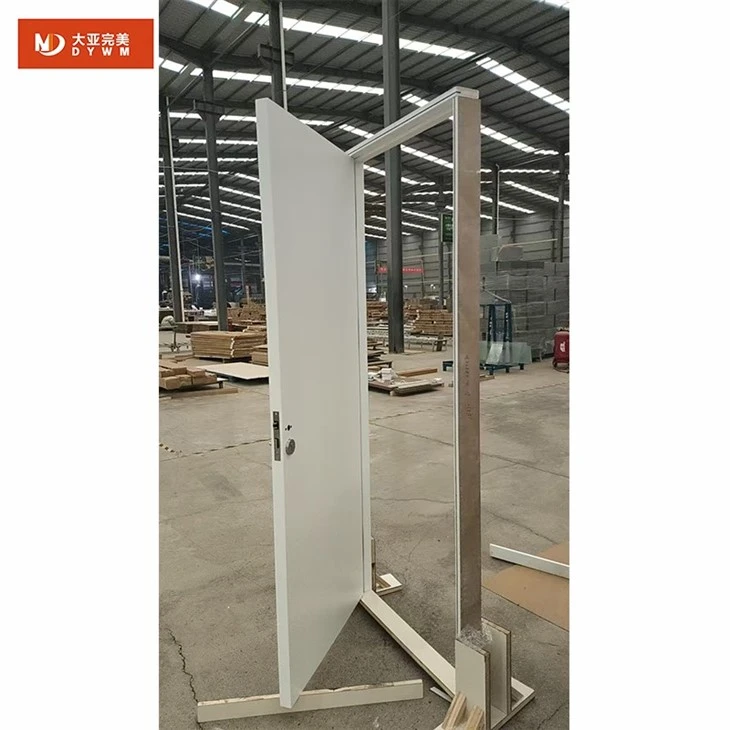
Accessibility: Accessibility codes are designed to ensure that buildings are usable by people with disabilities. Hidden bedroom doors should be easy to open and close, with appropriate hardware that can be operated by individuals with limited dexterity. For example, the door handles or latches should be of a type that can be easily grasped. Frameless Invisible Interior Doors Frameless Invisible Interior Doors need to be designed in a way that does not impede the smooth passage of wheelchairs or walkers, especially if the bedroom is intended to be used by someone with mobility issues.
Local Variations in Building Codes
It's important to note that building codes can vary significantly from one location to another. What is required in a large urban city may be different from the requirements in a rural area. Some regions may have more stringent codes due to higher population density or specific environmental factors.
For example, in areas prone to earthquakes, hidden bedroom doors may need to be designed to withstand seismic forces. The installation of Concealed Frame Door Concealed Frame Door in such an area would require additional bracing and anchoring to ensure that the door remains intact during an earthquake.
In coastal regions with high humidity and salt air, the materials used in hidden bedroom doors need to be resistant to corrosion. Interior Doors Without Frame Interior Doors Without Frame in these areas should be made from materials that can withstand the harsh environmental conditions without deteriorating.

Compliance as a Supplier
As a hidden bedroom door supplier, we take building code compliance very seriously. Our team of experts is well - versed in the various building codes across different regions. We work closely with architects, contractors, and homeowners to ensure that the hidden bedroom doors we supply meet all the necessary requirements.
We source high - quality materials that are not only aesthetically pleasing but also meet the structural, fire - safety, and accessibility standards. For each project, we conduct a detailed analysis of the local building codes and customize our products accordingly. This may involve using specific fire - rated materials, adjusting the door hardware for better accessibility, or reinforcing the door structure for seismic resistance.
Benefits of Complying with Building Codes
Complying with building codes offers several benefits for both the homeowner and the supplier. For homeowners, it provides peace of mind knowing that their hidden bedroom doors are safe and meet all the required standards. It also helps in avoiding potential legal issues and fines that may arise from non - compliance.
For suppliers like us, compliance enhances our reputation in the market. It shows that we are committed to providing high - quality, safe products. It also allows us to expand our customer base as more architects and contractors are likely to choose our products when they know that they are code - compliant.

Contact for Procurement
If you are in the market for hidden bedroom doors and want to ensure that you are getting a product that complies with all the relevant building codes, we are here to help. Our team can provide you with detailed information about our products, their compliance with various codes, and customized solutions based on your specific needs. Whether you are a homeowner looking to renovate your bedroom or a contractor working on a large - scale project, we have the expertise and the products to meet your requirements. Reach out to us to start a procurement discussion and bring your vision of a stylish and code - compliant hidden bedroom door to reality.
References
- International Building Code (IBC) - A widely - recognized set of building regulations in many parts of the world.
- Local building department websites for specific regional building codes.
- Architectural and construction industry standards and guidelines for door installation and safety.